Open Today Sales: 8 AM-8 PMOpen Today Service: 7 AM-6 PMOpen Today Parts: 7 AM-6 PMOpen Today Body Shop: 8 AM-5 PM
When drivers around Las Vegas start thinking about vehicle maintenance, tires aren’t always the first thing that comes to mind—but they should be. At Fairway Chevrolet, tire service is one of the most common topics customers ask about, and honestly, it makes sense. Tires affect everything from fuel efficiency to braking distance, and with the heat we get here in Nevada, they deserve a little extra attention. So let’s walk through some of the questions people ask most often and why they matter.
Tires might seem simple, but a lot is going on beneath the surface. Understanding the basics helps you stay safer on the road, avoid unexpected expenses, and get the most life out of your vehicle. And really, who doesn’t want that?
Most tires last somewhere between 40,000 and 60,000 miles, but that’s a general guideline. Driving habits, road conditions, and even the desert climate can shorten or extend that lifespan. If you’re driving in stop‑and‑go traffic or on hot pavement, your tires may wear out faster. Regular inspections help catch uneven wear early so you’re not surprised later.

A good rule to follow is every 6,000 to 8,000 miles. Rotating tires helps them wear evenly, which means better handling and a longer lifespan. Skipping rotations is one of the quickest ways to end up buying new tires sooner than expected.
If the tire tread depth is below 2/32 of an inch, it’s time to replace the tires. But you don’t have to wait until they’re that worn. Cracks, bulges, vibration, or uneven wear are all signs your tires may need attention. When in doubt, have a technician take a look—catching issues early is always cheaper than waiting.
This one comes up a lot. A few things could be happening:
If the light stays on after a day of driving, it’s worth having it checked. Tire pressure issues can sneak up on you.
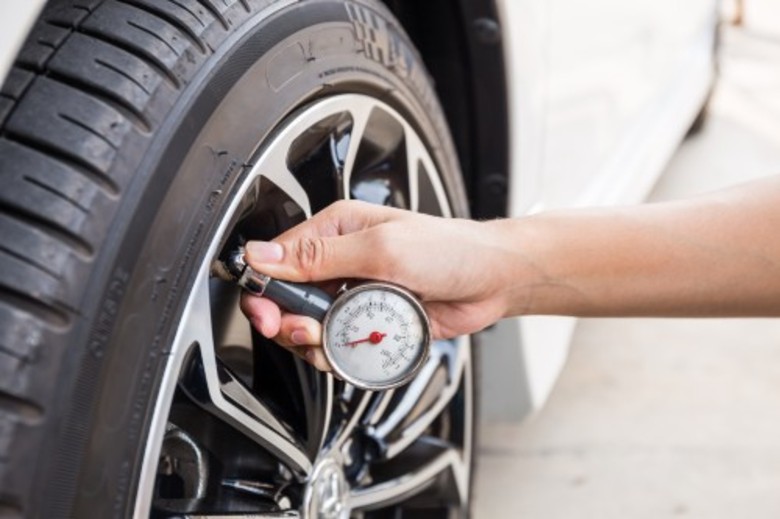
Most vehicles run at 32-36 PSI, but the exact number is listed on the driver’s doorjamb. That’s the number to trust—not the PSI printed on the tire itself. The manufacturer’s recommendation is based on your vehicle’s weight, handling, and performance needs.
Prices vary depending on size, brand, and performance level. A typical range is $120 to $300 per tire, but specialty or high‑performance tires can cost more. At Fairway Chevrolet, our team helps customers compare options so they get the right tire—not just the most expensive one.
A quick visual check every month is smart, but a professional inspection every 6 months is even better. Technicians can spot things like sidewall damage, alignment issues, or early signs of uneven wear that aren’t always obvious.

It depends on the location and size of the puncture. If it’s in the tread and small enough, a repair is usually possible. Damage to the sidewall or shoulder area, though, typically means replacement. Safety always comes first.
Low pressure might not seem like a big deal, but it can cause:
Driving on under‑inflated tires is one of the most common causes of tire failure, especially in hot climates.
Because tires don’t wear evenly on their own, rotating them helps distribute the workload so each tire lasts longer. It also improves traction and keeps your vehicle handling the way it should. Think of it as a small service that saves you money in the long run.
Asking the right questions about tire service isn’t just about maintenance—it’s about confidence. When you understand what’s happening with your tires, you’re better prepared to make decisions that keep your vehicle running smoothly. At Fairway Chevrolet, the goal is to help drivers feel informed, not overwhelmed. Tires may not be the flashiest part of your vehicle, but they’re one of the most important.
Tire service doesn’t have to be complicated. With a little knowledge and regular care, your tires can last longer, perform better, and keep you safer on the road. Whether you’re dealing with a warning light, wondering about tread depth, or just trying to stay ahead of maintenance, the team at Fairway Chevrolet is always here to help. After all, good tires aren’t just about driving—they’re about peace of mind.